Recovery for Runners: Your Essential Guide to Rest and Rejuvenation

Recovery is often the missing piece in many runners’ training puzzles. While we focus on mileage and speed work, how we rest and recover can make or break our progress. As Coach Alexa explains in her detailed guide to rest and recovery, it’s one of the most crucial yet undervalued aspects of training.

Coach Kelvin recovering

Understanding Why Recovery Matters

Recovery isn’t just about taking time off – it’s an active process that allows your body to:

  • Repair muscle tissue damaged during training
  • Strengthen connective tissues
  • Restore energy systems
  • Boost immune function
  • Improve mental freshness

Without adequate recovery, you risk:

  • Slower adaptation to training
  • Increased injury risk
  • Compromised immune function
  • Mental burnout
  • Plateaued performance
 

Types of Recovery You Need

1. Daily Recovery

  • Schedule 2-5 minutes of intentional relaxation each day
  • Practice box breathing (4 seconds inhale, hold, exhale, hold)
  • Choose quality downtime over screen time
  • Prioritise sleep quality and consistency
  • Listen to your body’s signals
 

2. Weekly Recovery

Consider implementing:

  • One complete rest day per week
  • Easy recovery runs between harder sessions
  • Light mobility work on rest days
  • Stress-reducing activities like gentle walking or yoga
Coach Kelvin on a recovery walk

3. Periodic Deload Weeks

Coach Kelvin provides excellent guidance on when and how to implement deload weeks, explaining that their necessity depends on your training intensity and recovery capacity.

You might benefit from a deload week if:

  • You’re consistently training at high intensity
  • Your connective tissue feels stressed
  • You’re preparing for or recovering from a race
  • You’re experiencing persistent fatigue
 

During a deload week:

  • Reduce training volume by 40-50%
  • Lower or eliminate high-intensity work
  • Focus on sleep and stress management
  • Maintain good nutrition habits
 

Recovery Techniques That Work

Physical Recovery:

Many runners find it helpful to build in some of the following recovery methods;

  • Post-run static stretching
  • Regular foam rolling
  • Compression wear when appropriate
  • Ice or heat therapy as needed
  • Regular mobility work
 

Mental Recovery:

As Coach Alexa emphasises in her recovery fundamentals video, mental recovery is just as crucial as physical rest. Key strategies include:

  • Meditation or mindfulness practice
  • Taking breaks from training-related social media
  • Setting clear boundaries between training and rest
  • Practicing positive self-talk
  • Celebrating small wins
 

Lifestyle Factors:

  • Maintain consistent sleep patterns
  • Focus on nutrient-rich foods
  • Stay hydrated throughout the day
  • Manage non-running stress
  • Create a relaxing bedtime routine
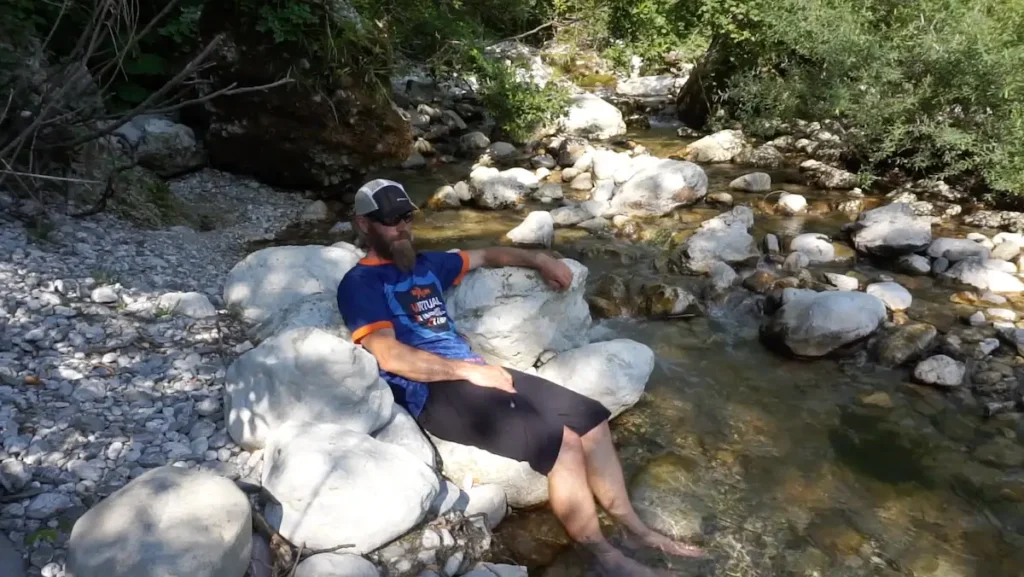
Coach Kelvin dipping his feet in a stream

When to Focus More on Recovery

Pay extra attention to recovery when:

  1. Training volume or intensity increases
  2. Life stress is high
  3. Sleep quality decreases
  4. You’re experiencing niggling injuries
  5. Performance plateaus despite consistent training
 

Remember, recovery isn’t just the absence of training – it’s an essential part of becoming a stronger, faster, and healthier runner. The time you spend focusing on recovery is just as important as the miles you log in training. By implementing these strategies and listening to your body, you’ll be better equipped to handle the demands of training while staying healthy and motivated.

Smash Your Running Goals With Coaching That Works Around You

Ditch the guesswork. Get a tailored plan, expert support, and real results – wherever you run. Online coaching made simple.