With Coach Alexa, Online Running Coach and in-person coaching in South Oxfordshire
The Final Chapter of the Anatomy Series
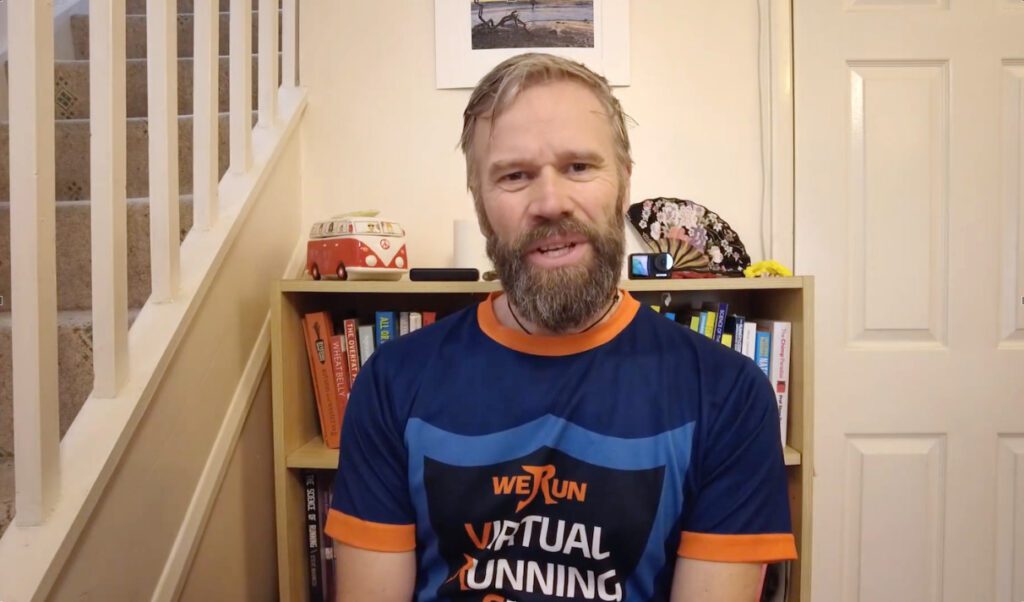
This is my final video on anatomy, and I wanted to finish at the very top of the body. We started with the feet and we’re finishing with the neck and head.
While this topic isn’t particularly running-specific, it’s highly relevant to my work as a sports and remedial massage therapist. It’s important to understand how our shoulders, back, and spine connect into our neck and head, both at the front and the back.
Common Postural Issues – The “Arms Forward” Problem
One of the biggest postural issues I see today is what I call “arms forward jobs” – activities like driving or sitting at a desk.
The muscles at the top of the upper back, which attach down into the shoulders, take on much of the load of the head as we hunch our shoulders forward and round our upper back. The head then shifts slightly forward of the body, rather than balancing neatly on top of the spine.
When this happens, these muscles begin to bear the weight of the head, leading to strain. They attach up into the neck, which can contribute to headaches.
How Posture Affects Pain and Running
This forward-head posture doesn’t just affect you while sitting – it carries over into running. When you add impact to poor posture, tension and discomfort can increase.
If you experience headaches or aches that start at the base of your skull and wrap over the top of your head to the front, it can be related to tight muscles or poor posture around the neck and shoulders.
The Role of Neck and Jaw Muscles
We also have many neck muscles that come around to the front. I’ve worked with singers where releasing these muscles can actually improve their voice. Some of these muscles wrap around behind the ear and connect with the muscles that control the jaw.
These areas often hold tension – in the jaw, around the eyes, forehead, shoulders, and up into the neck. It’s all interconnected. Upper back pain, neck tension, shoulder discomfort, and headaches are frequently linked.
Postural Tips for Better Alignment
If these issues show up in your running or daily life, think about your overall posture. Try imagining a balloon lifting the top of your head to help keep it stacked nicely on top of your spine, reducing the strain on your muscles.
Keep your eyes up rather than constantly looking down at the road in front of you, as this helps maintain a natural posture and prevents overloading the muscles at the back of the head.
That brings us to the end of this anatomy series. If you have any questions about anything I’ve covered in these videos, just let me know.
Happy running!